By Pauline Machado
The quality of life of animals is a growing concern among family members and professionals in the field of Veterinary Medicine, especially when the animal faces a health condition that keeps it bedridden for long periods. In these cases, immobility can lead to a number of complications, with bedsores and pressure sores being some of the most common and painful.
Ensuring the well-being of these animals requires specific care that goes beyond treating the underlying disease and involves the active prevention of these secondary problems.
Fortunately, advances in medical devices designed for veterinary use have allowed pet owners and clinics to provide more effective support to dogs and cats recovering from illness or receiving palliative care.
Therefore, we spoke with Veterinarian Barbara Fonseca Tatsch, a postgraduate student in Small Animal General Practice and Veterinary Dermatology.
In this interview, she helps us understand how these accessories can help maintain comfort and dignity for animals, whether in a family or hospital setting.
Read the interview and, after you've finished, share it with friends and family!
Pet Med – What are the main causes that lead dogs and cats to develop bedsores or pressure sores?
Barbara Fonseca Tatsc – Before listing the causes, it's important to understand how these lesions arise: pressure ulcers, or bedsores, result from prolonged compression and/or mechanical friction on the same area of the body, mainly in areas of bony prominence (where there is little tissue layer between the bones and the skin) such as elbows, heels, hips, and sacral bones. This constant pressure reduces local blood circulation, impairing tissue oxygenation and nutrition.
To make it easier to understand: Similar to us, when we remain for a long time resting on our elbow on a hard surface: initially there is discomfort, but if the pressure is maintained and routine, the tissue can be damaged, resulting in a wound. The same occurs with hospitalized people who remain without changing their position.
The frequent presence of the animal's own excrement (urine and feces) in contact with the skin worsens the condition, as it not only compromises skin integrity but also causes irritation and increases the risk of infections.
Once this process is understood, the main causes are: prolonged immobility, excessive thinness (with less tissue protection between the bones and the skin), lack of position change, remaining on hard or rough surfaces, inadequate hygiene, and continuous exposure to moisture from urine and feces.
This is a completely preventable condition, and after reading this, you will understand your fundamental role in preventing these injuries.
Pet Med – What diseases or conditions predispose individuals to these symptoms?
Barbara Fonseca Tatsc – Any diseases or conditions that reduce mobility or mental awareness, for example: severe arthritis/osteoarthritis; dysplasia; cancer; urinary or fecal incontinence; trauma; fractures/dislocations; obesity; senility (advanced age), and debilitating systemic diseases, in which the pet remains bedridden or has less energy and ability to change position.
These conditions generally make the pet vulnerable to developing pressure sores due to the need for care from owners or the medical team when hospitalized, including changing the animal's position, as well as hygiene and mechanical protection (absorbent pads, diaper protectors, mats, and padded beds).
Pet Med – Which animals are most vulnerable to developing these lesions?
Barbara Fonseca Tatsc – The animals most vulnerable to developing these lesions, either in combination or individually, are:
- Obese individuals: excess weight increases the pressure exerted on the contact points under support surfaces.
- Senior pets in advanced age generally have reduced skin elasticity, decreased fat and muscle thickness, and increased fragility of blood vessels. Furthermore, they may have comorbidities which, combined with age, contribute to the development of these lesions.
- Severe malnutrition: similar to what occurs with the skin of elderly patients, malaise and excessive thinness are also important factors.
- Patients in the orthopedic postoperative period: considering the need for prolonged immobilization.
- Pets with debilitating chronic diseases: such as neurological diseases, joint problems, neoplasms, or severe kidney or liver disease.
- Dogs of the Doberman, Great Dane, Mastiff, and Saint Bernard breeds, among other large and giant breeds, exert greater pressure on a surface due to their high body weight.
Pet Med – How to identify the first signs that a pressure sore is forming?
Barbara Fonseca Tatsc – Excellent question! Pet owner, check a few things before anything else. Ask yourself, "I have a pet that..."
Is it overweight? Is it elderly? Is it a giant breed? Does it have any debilitating illnesses? Does it move normally or does it depend on me to position it for sleeping or getting up? Is it a dog prone to hip dysplasia? (Like a German Shepherd, Labrador…).
If the answer to any of the above questions is "Yes," pay special attention to the support areas, such as elbows, hips, sacral region, and heels, for the following signs:
- Redness and a "warm" area, usually more rigid.
- Painful sensitivity
- Hair loss
- Itch
And in more advanced stages, an obvious ulcer, necrotic tissue, and visibility of structures such as muscles and bones.
Pet Med – What is the difference between bedsores, pressure ulcers, and common wounds? Do they all require the same type of attention and treatment?
Barbara Fonseca Tatsc – Let's understand this phrase: " All bedsores are wounds, but not all wounds are bedsores ." Is that really true?
Yes! "Escara" is a term used to refer to pressure ulcers, so they can be considered synonymous. What differentiates an eschar from a common wound is mainly the way it develops.
While pressure sores develop from prolonged pressure on a body area, compromising circulation and tissue oxygenation, wounds can arise from bites, insect stings, cuts, burns, scratches, or lacerations.
Treatment for any injury is individualized to the patient. However, the use of bandages and protectors contributes to the pet's healing! Although they require different types of attention and treatment, they all have in common hygienic management, protection, and preventing the wound from developing.
Pet Med – Lack of movement and prolonged exposure to damp or hard surfaces can promote the development of these lesions. How can the environment be an ally or a villain in this process?
Barbara Fonseca Tatsc – A "villainous" environment in this process mainly involves hard, cold, rough, or moisture-inducing support surfaces. A "helpful" environment, on the other hand, includes absorbent accessories, moisture-absorbing protectors (considering contact between urine and/or feces and the pet's skin), soft beds, and tatami mat floors, which are essential for the prevention and recovery of pets.
Pet Med – Is a routine of hygiene, changing the pet's position, and small daily movements enough to prevent bedsores at home? What practical tips would you give to family members?
Barbara Fonseca Tatsc – Although indispensable, for preventing pressure sores, it is recommended to use accessories in addition to other care measures, such as: diaper protectors, support pillows, and special mattresses.
Some practical tips:
- Change your pet's position at least every 2 to 4 hours! Try involving the family in managing both hygiene and repositioning.
- In cases of immobility or reduced mobility, look for products designed for pet care, such as beds and absorbent products that prevent moisture, whether from the environment or accumulated urine.
- Daily, monitor the areas of your pet's body most prone to pressure ulcers, massaging them to stimulate circulation in the area (avoid massaging open wounds).
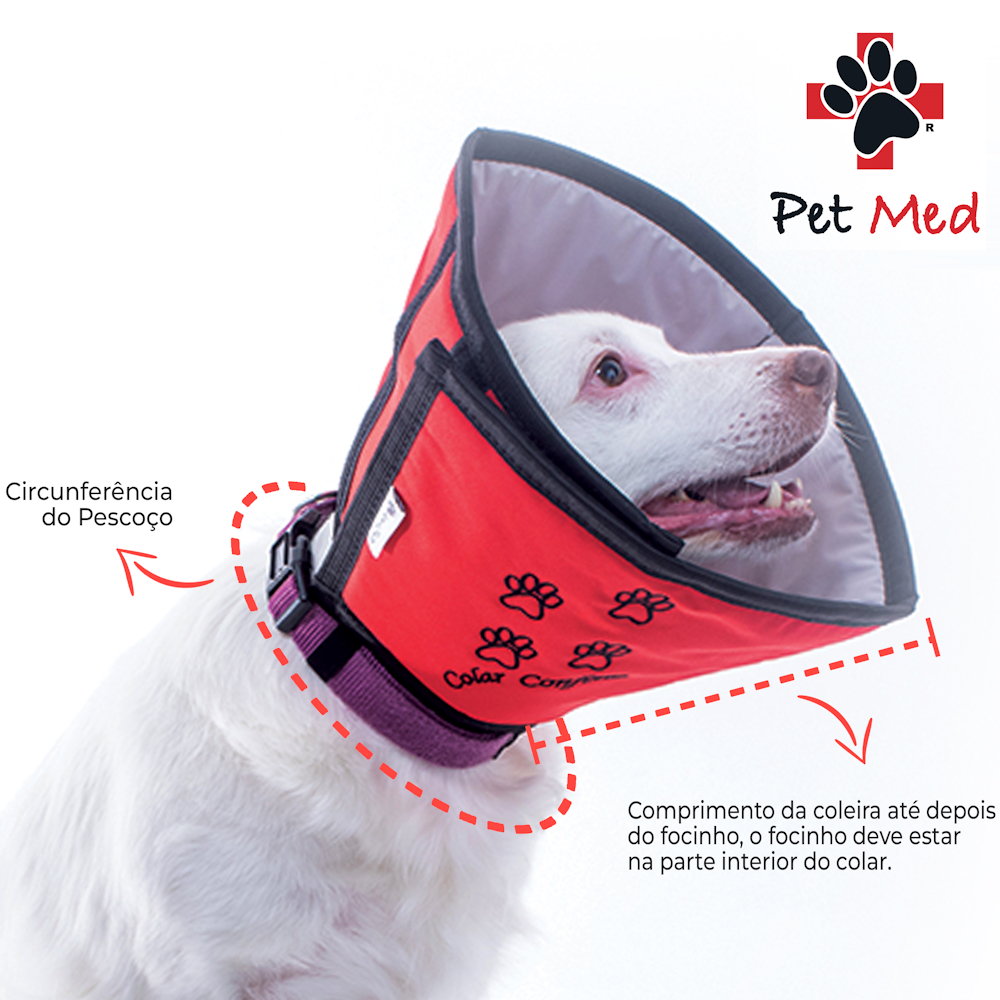
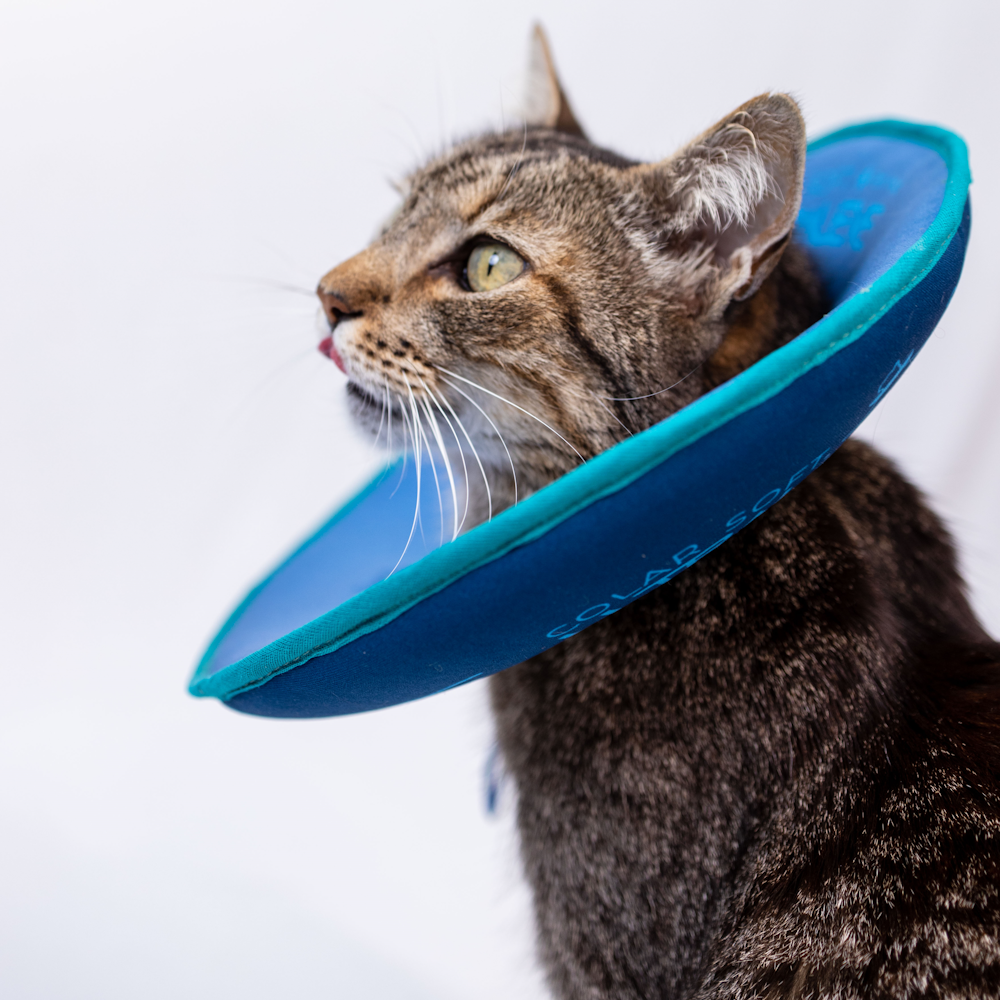
- Prevent the animal from licking wounds (use a comfort collar, protective mesh, or appropriate bandages).
- Respect your pet's pace, approach slowly, avoid sudden stimuli, and ensure moments of calm.
- Proper hygiene is essential for preventing pressure sores. This can be achieved with hypoallergenic shampoos and effective drying of areas soiled with urine, feces, and other dirt.
- Consult a trusted veterinarian to reduce chronic pain and clinical manifestations (symptoms), promoting quality of life, even before pressure sores appear. And if your pet has already developed them, it is possible to slow the progression of pressure sores with appropriate treatment, provided you seek professional help.
Pet Med – How do the right accessories help maintain comfort and dignity for animals, whether in a home or hospital setting?
Barbara Fonseca Tatsc – The right accessories and other basic care not only reduce the risk of pressure sores and their complications, but also the risk of diaper rash, promote emotional well-being, comfort and dignity for the pet, as well as versatility in routine handling by the owner or in a hospital setting. This is especially true for washable accessories that do not lose quality after repeated washings, such as those from Pet Med.
Pet Med – How do Pet Med absorbent protectors help keep your pet dry and comfortable, preventing chafing and sores in sensitive areas such as hips, elbows, and flanks?
Barbara Fonseca Tatsc – Absorbent pads, as the name suggests, absorb urine and moisture, keeping the skin dry and minimizing the chance of leakage through the diaper, preventing urine from coming into contact with sensitive areas. They are recommended for pets with urinary incontinence or for those who urinate on themselves because they cannot move properly.
Pet Med – In pets with urinary incontinence, how can the Pet Med Diaper Protector help prevent irritation and infections caused by continuous contact with urine and feces?
Barbara Fonseca Tatsc – Prolonged contact with urine and feces can easily cause itching, irritation, redness, maceration of the skin, and increase the risk of secondary infections and contact dermatitis due to the chemical irritation caused by the composition of both. Using a diaper liner, available for both males and females, provides a stronger moisture barrier and reduces the chance of urine and feces leakage.
Pet Med – In what cases can the use of the Pet Med Comfort Collar or the Calm Pet Vest also help, especially in reducing excessive licking, itching, or stress in an immobilized animal?
Barbara Fonseca Tatsc – The Comfort Collar, unlike the traditional Elizabethan collar, is made of a more flexible material and lined with fabric, making it more tolerable for the animal, especially when its use is indicated for long periods. Its main function is to prevent biting or licking of surgical sutures and wounds under treatment, without causing as much discomfort.
The Calm Vest utilizes the principle of deep pressure therapy, which exerts gentle and constant pressure on the torso, simulating a "hug." This concept, studied in both animals and humans, has been extensively described by... Temple Grandin , a person with autism and a Ph.D. in Animal Science, observed a reduction in anxiety both in herself and in cattle subjected to this technique.
In some dogs, this effect can generate a feeling of security and reduce anxiety, making the use of the vest advisable in potentially stressful situations, such as periods of immobilization, long car trips, or during fireworks displays.
Pet Med – Finally, for families caring for pets that are bedridden or have compromised mobility, bedsores, or wounds, what is the main message about humane care and quality of life?
Barbara Fonseca Tatsc – Humanized care goes far beyond wound treatment: it's a set of daily actions that prioritize comfort, prevention, pain management, and dignity. Even when the prognosis is delicate, the goal is to reduce suffering, preserve function, and ensure quality of life. To achieve this, actions need to be simple, consistent, and well-documented, and the family plays a key role in this process.
Personal message: For the animal, dealing with limitations and pain is not easy. Therefore, every act of care is a way to make this moment lighter and to do for them what, if they could, they would certainly do for us: love, protect, and be present. It can be arduous and laborious, so celebrate and value the small victories, such as a wound that is reducing in size, a decrease in pain, or the return of their appetite.
Your bedridden pet deserves all the comfort, dignity, and prevention against bedsores and wounds. Caring for an animal with reduced mobility requires dedication, but with the right accessories and information, you can make a huge difference in their quality of life. Pet Med We have products developed to ensure that every moment is more comfortable and safe, both for the pet and for the caregiver.
Visit our website to learn more. Complete line of veterinary medical accessories. and find the ideal solutions for your companion.
Follow our Instagram For more tips and inspiration that transform daily care into an expression of love.