

By Pauline Machado
In human medicine, healthcare professionals highlight the Orange February Campaign this month, which addresses issues related to leukemia. Therefore, we've brought up the same topic, but focused on cats.
When we think about kittens, many people immediately think of testing them to see if they carry the FIV and/or FeLV viruses, which is feline leukemia. However, there are still many people who don't know what FeLV is, the disease we'll be discussing today, much less what the transmission and prevention measures are.
So, to explain all the issues related to FeLV, we had the pleasure of speaking with the veterinarian, Cibelle Cunha dos Santos , which specializes in feline clinical care and psychiatry.
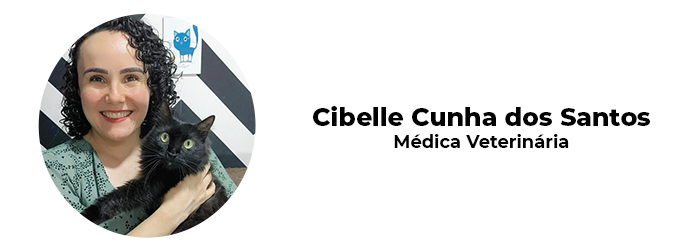
This interview is essential for anyone who has one or more kittens at home. Watch it!
Pet Med – To begin, please explain what we understand by feline leukemia?
Cibelle Cunha dos Santos – Feline leukemia (FeLV) is a highly contagious viral disease that affects cats, caused by the feline leukemia virus (FeLV). This disease has no cure and can compromise the animal's immune system, making it more vulnerable to infections, as well as being associated with the development of cancer and other serious complications.
Pet Med – How can a cat contract FeLV? What are the means of transmission?
Cibelle Cunha dos Santos – The primary mode of transmission of FeLV occurs through infected cats, which can release up to one million viral particles per milliliter of saliva. Therefore, close contact between cats and the sharing of food and water bowls are the main routes of contagion. In addition, the virus can be passed to kittens during gestation through breast milk or direct contact with the mother. Blood transfusion is also a significant means of transmission, making donor testing before the procedure essential. Although less common, other forms of transmission include inhaling airborne particles, as well as contact with urine, feces, and contaminated surfaces. However, FeLV has low resistance in the environment and does not survive for long periods outside the body.
Pet Med – What are the clinical signs that a cat may exhibit when it is a carrier of the FeLV virus?
Cibelle Cunha dos Santos – Symptoms of FeLV vary depending on the organs affected and the changes caused by the virus. Some cats can transmit the virus without showing any signs of illness, appearing healthy in their daily lives and even in veterinary examinations. When symptoms are present, they can be more general, such as weight loss, fatigue, lack of appetite, vomiting, mouth inflammation, and diarrhea, or more serious, such as anemia and types of blood cancer (lymphomas and leukemias).
The virus weakens the immune system, making it easier for other infections to develop. It can also affect breathing, causing difficulty breathing due to fluid buildup in the chest (pleural effusion resulting from mediastinal lymphoma). Furthermore, it can affect the brain and eyes, resulting in behavioral changes, vision problems, lack of coordination, and difficulty moving.
Since the disease may not present symptoms for a long time, it is crucial that the owner observes the cat carefully and takes it to the veterinarian.
Pet Med – From what age can FeLV affect cats?
Cibelle Cunha dos Santos – Kittens can acquire FeLV from their mother transplacentally or even become infected as kittens.
Pet Med – What are the stages of feLV and how do they affect a cat's immune system?
Cibelle Cunha dos Santos –
1. Acute (Primary) Phase
• What happens: This phase occurs soon after infection, usually 2 to 4 weeks after exposure to the virus. During this period, the virus replicates rapidly in the lymphocytes and other cells of the cat's immune system.
• Impact on the immune system: The immune system attempts to fight the infection, but the virus can suppress the immune response. The cat may exhibit mild symptoms such as fever, loss of appetite, lymphadenopathy (swollen lymph nodes), and fatigue. In some cases, the infection can be controlled by the immune system, and the cat may eliminate the virus completely.
2. Chronic Viremia Phase
• What happens: If the immune system is unable to completely control the infection in the acute phase, the virus enters a chronic phase, where it remains in the cat's body. Persistent viremia means that the virus continues to circulate in the blood.
• Impact on the immune system: In the long term, the virus gradually weakens the immune system's ability to fight infections. The cat becomes more vulnerable to other infectious diseases and may suffer from secondary conditions such as respiratory or urinary tract infections. Cats may not show obvious signs at this stage, but their immune system is in continuous decline.
3. Immunosuppressive Phase
• What happens: At this stage, the virus begins to directly affect cells of the immune system, such as T and B lymphocytes. The virus settles in cells in various parts of the body, including the bone marrow and lymphoid tissues, which are essential for the production of immune cells.
• Impact on the immune system: With the progressive weakening of the immune system, the cat becomes extremely susceptible to opportunistic infections, such as abscesses, severe respiratory diseases, toxoplasmosis, among others. Furthermore, the cat may develop anemia, cancer (such as lymphoma), or autoimmune diseases due to the immune system's failure to control these conditions.
4. Terminal Phase (Neoplastic Disease or Severe Immunosuppression)
• What happens: When the immune system is severely compromised, the cat can develop serious illnesses, such as lymphoma (a type of cancer) or other fatal complications.
• Impact on the immune system: The cat's ability to fight infections is virtually nonexistent. The cat may become very weak, lose weight rapidly, and suffer from multiple simultaneous infections. At this stage, the animal may require palliative treatment and, eventually, the condition may progress to death.
Pet Med – Although FeLV has no cure, what are the ways to provide a better quality of life for feline kittens?
Cibelle Cunha dos Santos – It is important to always maintain the check up During these patients' check-ups (which should be done every six months or every three months), the veterinarian will assess the need for supplementation or ongoing antiretroviral medication.
Furthermore, it is important to keep this kitten in a stress-free environment – since stress can lead to significant drops in immunity – and to provide it with a balanced diet, as well as up-to-date deworming and vaccinations.
Pet Med – Throughout a cat's life, how can FeLV be prevented?
Cibelle Cunha dos Santos – Immunization against FeLV is essential to prevent infection, and is particularly important for young cats or those at risk of exposure to the virus. Before starting vaccination, it is crucial to perform a test to ensure the animal is not infected. The vaccination schedule consists of two initial doses, with subsequent annual boosters. In addition, it is recommended to neuter the cat, avoid contact with infected animals, create a safe environment, and have regular veterinary checkups to monitor the animal's health.
Pet Med – In this aspect of the vaccination protocol, how important is it to perform the FeLV test before vaccinating a cat?
Cibelle Cunha dos Santos – Testing is important to ensure that there is no risk of vaccinating an FeLV-positive patient with the FeLV vaccine, as there is no benefit in doing so.
Pet Med – From what age can we vaccinate a puppy against FeLV?
Cibelle Cunha dos Santos – Between 45-60 days.
Pet Med – Finally, if you feel it's necessary, use the space below to supplement your contribution by adding any other information you consider important that wasn't covered during the interview.
Cibelle Cunha dos Santos – Even cats that live indoors, where the risk of contact with infected cats is lower, can benefit from immunization, as there are other forms of transmission, such as interaction with visitors who may carry the virus. By vaccinating all kittens, including those that do not have access to the outdoors, we are creating a protective "barrier" and preventing the spread of the disease, as well as reducing the risk of serious complications in the future.
Therefore, vaccinating all kittens against FeLV is not only a matter of individual care, but also of collective responsibility. By ensuring that every cat is protected, we contribute to public animal health, preventing disease outbreaks and promoting a long and healthy life for felines.
🐾💙 Your pet is unique and deserves all the care and affection! 💙🐾


