Dogs and cats are increasingly integrated into human lifestyles, but this coexistence, however affectionate, also exposes them to a pace of life that doesn't always align with their emotional and behavioral limits. Stress, often silent, can progressively develop and profoundly affect the health of animals, even without immediate clinical signs. Understanding how it acts on the body is essential to prevent disease and promote real well-being for our companions.
In this interview, the Veterinarian and our journalist, Pauline Machado thoroughly addresses how stress impacts the health of dogs and cats, what less obvious signs deserve attention, the diseases that can originate or worsen due to stress, and, most importantly, how family members and professionals can act in a preventive, affective, and integrative way.
From environmental enrichment to the use of natural therapies, and even adjustments to the pet owner's routine, every conscious action makes a difference in the quality of life of the animals with whom we share our home.
Follow the guidelines and share them with friends and family.

How stress affects the bodies of dogs and cats, even when it's not immediately visible.
Pauline Machado – Stress activates the hypothalamic-pituitary-adrenal (HPA) axis, releasing cortisol, adrenaline, and other hormones that affect multiple systems in the body. Even when the animal appears visibly normal, internally there is an increased heart rate, constant muscle contraction, impaired digestion, and immune suppression. In the long term, this state of stress favors the emergence of chronic diseases, behavioral changes, and even metabolic disorders. Silent stress is dangerous because it is cumulative, meaning it develops gradually, without evident symptoms, and when symptoms appear, it is already in an advanced stage.
More subtle (or silent) signs that a pet is experiencing chronic stress.
Pauline Machado – Subtle signs, such as changes in appetite, irregular sleep, excessive licking, unusual vocalizations, changes in hygiene patterns (for example, cats that stop grooming themselves), urinating outside the litter box, or isolating themselves in dark corners, can indicate chronic stress. Many of these behaviors are mistakenly interpreted as "tantrums" or "stubbornness," but are actually cries for help. It is important to pay attention and understand the signals they give us.
How the fast-paced routines of families and the modern human environment are making pets more anxious.
Pauline Machado – Dogs and cats were domesticated to live close to humans, but they weren't prepared for today's urban lifestyle, which includes living in small apartments, constant noise, prolonged absences of family members at home, and excessive technological stimuli, to name a few examples. The lack of predictability, the absence of meaningful interaction, and the excess of idle time increase the risk of stress and anxiety, especially when there are no emotional and environmental coping strategies. We understand that today's routine is hectic, but it's necessary to make time to interact and be present with your pets. It's like the old saying: "it's not enough to be a parent, you have to participate," and that includes being present, body and soul.
How can family members adjust their own routines and emotional energy to avoid transmitting anxiety to their pets?
Pauline Machado – Animals are extremely sensitive to the nonverbal language of their family members. Tone of voice, breathing, gestures, and the rhythm of the home directly influence the mood of dogs and cats. Therefore, it is important for owners to practice self-care, slow down whenever possible, and develop a more attentive and affectionate relationship with their pets. It is worth noting that we are talking about multi-species families; therefore, the most present and emotionally available family members are the best remedies for reducing stress in dogs and cats.
Physical illnesses that can develop or worsen due to stress in dogs and cats.
Pauline Machado – Stress is the greatest enemy of animals. Dogs and cats living under stressful conditions can develop or worsen heart disease, gastrointestinal problems such as gastritis, colitis, and chronic vomiting, as well as dermatological problems like lick dermatitis and psychogenic alopecia, urinary tract diseases like feline idiopathic cystitis, and autoimmune diseases. In more severe cases, the immune system collapses, and the animal begins to develop recurrent infections. It is important to emphasize that emotional health is directly linked to the physical balance of the organism; therefore, caring for the emotional health of dogs and cats is as important as caring for their physical health. Both are equally fundamental to the quality of life and longevity of pets.
Changes in routine that affect the emotional balance of pets.
Pauline Machado – Moving house, the owner's absence, the arrival of another animal – all these changes disrupt the predictability that dogs and cats value so much, especially cats, who dislike changes in their routines. Prolonged absence of the owner, for example, can cause a constant state of alertness in dogs, insomnia, loss of appetite, and even regressive behaviors such as destruction of objects or inappropriate elimination. The arrival of another animal can generate competition for attention and resources, triggering anxiety and insecurity. Therefore, whatever adaptation your pet is going through needs to be gradual and respectful, with emotional support and, above all, patience.
Environmental enrichment as a daily antidote to stress.
Pauline Machado – Environmental enrichment offers challenges, positive stimuli, and opportunities for natural behavioral expression. This reduces frustration, increases self-esteem, and gives dogs and cats the chance to be themselves. For cats, this includes shelves, scratching posts, hiding places, and interactive toys. For dogs, it includes varied walks, treat-dispensing toys, and positive socialization. An environment rich in controlled stimuli is a true natural calming agent for them and the whole family.
Breeds or animal profiles that are more sensitive to stress.
Pauline Machado – Breeds such as Border Collies, Poodles, German Spitz, Siamese and Bengal cats are more sensitive to changes and intense stimuli. Rescued animals, those that have suffered abuse, puppies weaned prematurely, or elderly animals are also more vulnerable. Prevention involves patience, empathy, love, along with stable routines, predictability, environmental enrichment, and often, support with natural therapies from an early age.
Natural approaches that can be safely used to relieve stress.
Pauline Machado – Herbal remedies such as Passionflower, Lemon Balm, and Bacopa Monnieri have an effective and safe calming effect on dogs and cats when handled correctly. L-theanine, tryptophan, and magnesium are also excellent nutraceuticals for emotional balance. Bach flower remedies are useful for addressing changes, trauma, fear, and insecurity. Homeopathy, when properly prescribed, also helps treat the emotional root of stress in a deep and lasting way, without side effects.
How to transform your home into a more emotionally healthy space for your dog or cat.
Pauline Machado – The first thing to do is to establish Establish a predictable routine with dedicated moments of attention for your pet. Invest in environmental enrichment appropriate to the animal's species and temperament. Create a safe and quiet space where they can rest undisturbed and reduce the possibility of noise. It's crucial to avoid scolding them when they exhibit stress-related behaviors such as excessive barking, urinating or defecating outside designated areas, or chewing on furniture or objects. Instead, speak to them in a gentle tone of voice and promote positive interactions. Again: an emotionally healthy home is built on respect, listening, and daily connection – for all species.
Accessories that help reduce stress in dogs and cats.
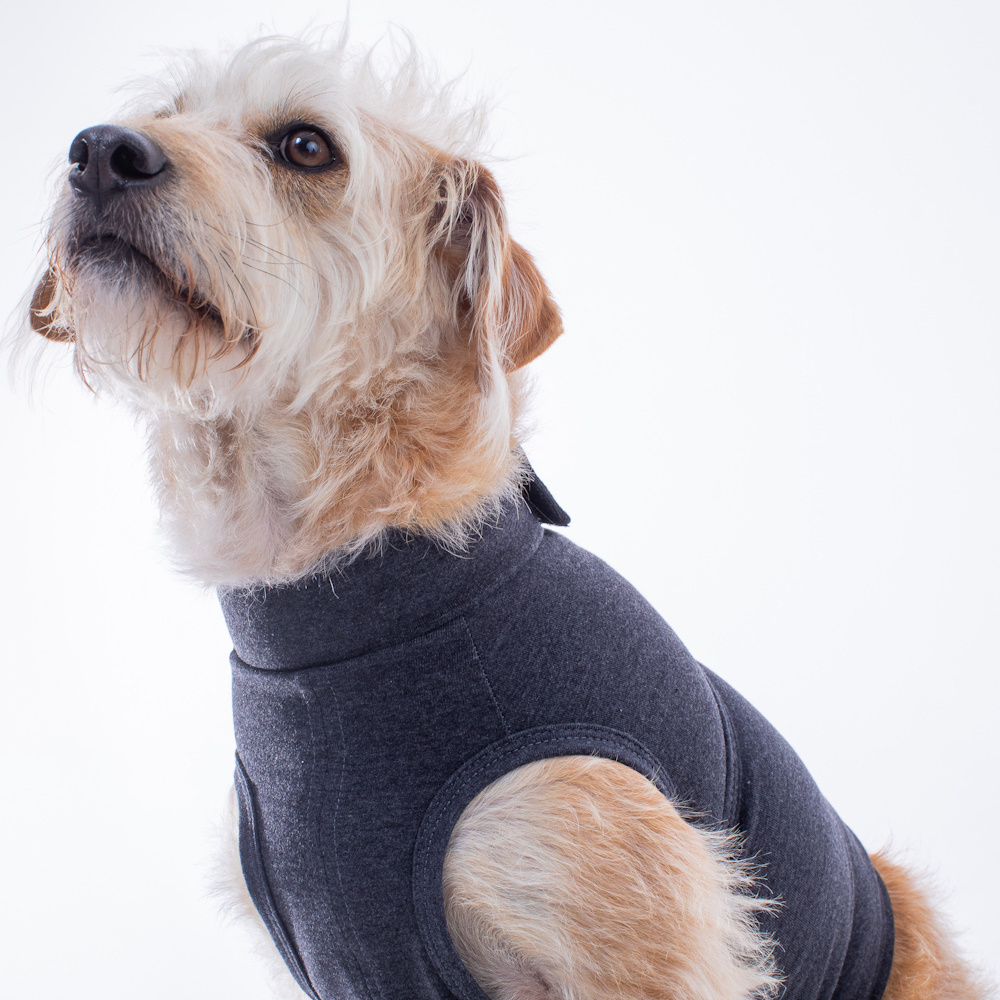
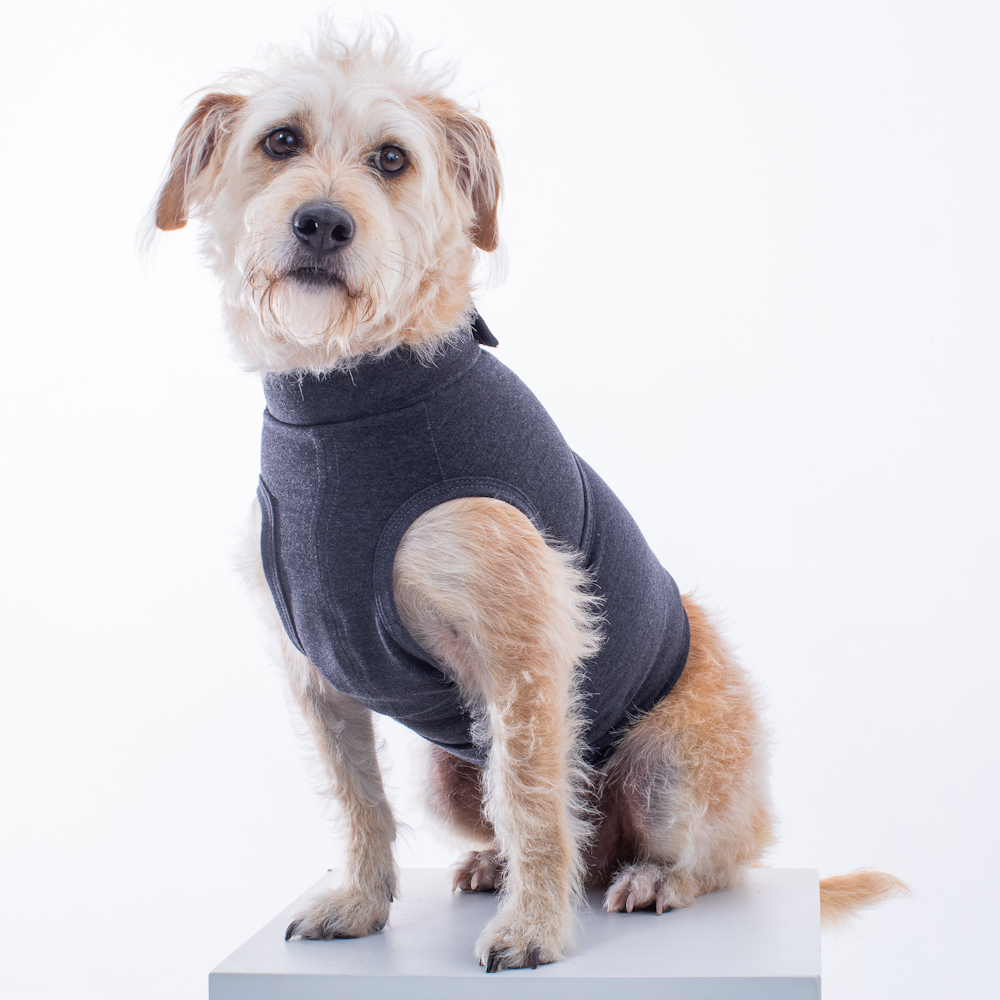
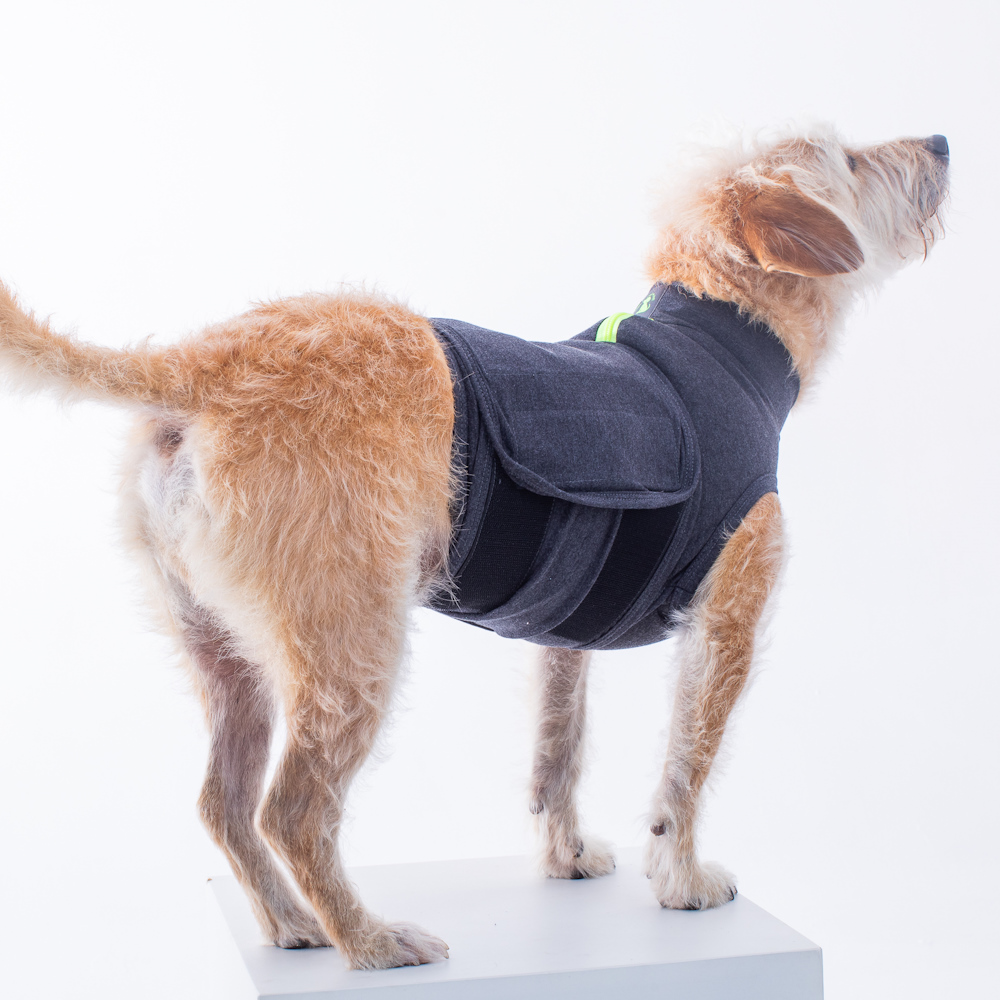
Pauline Machado – Accessories like the Pet Med Calm Pet Vest provide gentle restraint and tactile stimulation similar to maternal touch, which helps reduce anxiety and fear.
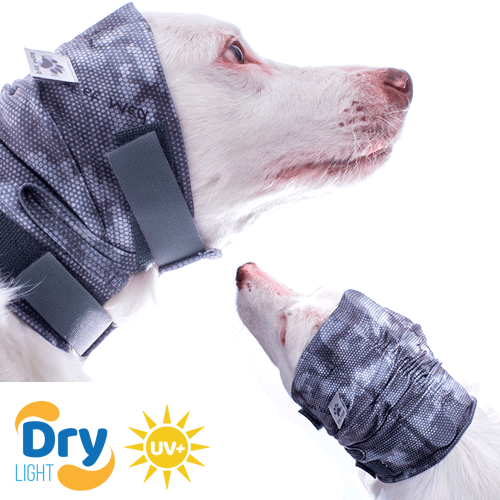
Oto Calm Protector is also an important ally, as it protects the ears from intense sound stimuli, such as fireworks or thunder, relieving auditory phobias.
The Comfort Collar avoids the stress often caused by the traditional Elizabethan collar, offering protection with greater comfort thanks to its anatomical design.
The Diaper Protector and the Breed Fit help maintain hygiene and well-being, especially in animals with special needs stemming from stress, such as cases of psychogenic urinary incontinence, that is , Dogs and cats that urinate involuntarily during moments of fear, submission, anxiety, or extreme excitement.
Cases of compulsive territorial marking are very common in insecure dogs and cats, especially in environments with multiple pets or after changes in routine.
There are also cases of inappropriate elimination associated with separation anxiety, in which the pet urinates or defecates in unusual places, such as beds or sofas, when left alone or after the absence of family members.
The use of the Diaper Protector and the Breed Fit is also indicated for dogs and cats that exhibit compulsive behavior linked to stress, such as that which generates lesions or inflammation, i.e., cases of alopecia and excessive licking in the genital or perineal region, and also for those that exhibit regressive behavior in rescued or traumatized animals, i.e., dogs and cats that return to relieving themselves inside the house or in unwanted places, even after previous training.
In these cases, the use of well-fitting and anatomical accessories, such as those from Pet Med, reduces frustrations associated with loss of physiological control, which improves the animal's self-esteem, avoids unfair scolding, and prevents secondary infections. All of this directly contributes to the control of physical and emotional stress, offering more dignity to the daily care of animals.
Finally, it is important to emphasize that the Stress is not just a behavioral problem—it's a matter of holistic health. Therefore, it's crucial that family members and veterinary professionals pay attention to the subtle signals they give us every day, in the details, and act with preventative, preferably natural and integrative, strategies to help these patients achieve good physical and emotional health, in balance and harmony with their families. This leads to greater longevity for them and their human companions.
Stress can be a silent enemy to your pet's health, but you have the power to transform it! Prioritize the emotional well-being of your dog or cat, observe the signs, and adopt the preventive and integrative strategies we discussed.
To take the next step in caring for and providing comfort to your companion, Discover the complete Pet Med product line ! Our accessories, such as the Calm Pet Vest and the Oto Calm Protector products are developed with technology and care to offer relief during moments of anxiety and stress.
Follow us on Instagram For more tips, news, and inspiration for a happier and healthier life with your pet. Together, we can ensure more dignity, health, and longevity for the entire multi-species family! 🐾❤️