Scratching can be one of the first signs that something is wrong with the health of our dogs' and cats' skin. Food allergies, ectoparasite bites, environmental irritants, and even pollen can trigger a cycle of itching → inflammation → wounds that worsen rapidly if family members don't recognize the initial symptoms.
Identifying whether itching is occasional, such as after a walk on grassy ground, or persistent is crucial to avoid complications such as secondary dermatitis, bacterial or fungal infections, hair loss, and behavioral changes related to pain and stress.
In this interview, we spoke with Fabiana Oliveira , a Veterinary Doctor specializing in Preventive Medicine and Dermatology for dogs and cats, who explained how family members can recognize early signs of allergies and how to adopt daily care measures, from dietary adjustments to choosing hypoallergenic shampoos.

The veterinarian also emphasized that understanding that "scratching is not normal" is the first step in ensuring quality of life and lasting well-being for our allergic pets.
Pet Med - What are the first signs that your pet's itching isn't normal, but rather indicative of a possible allergy?
Fabiana Oliveira - The first signs that indicate itching may be allergic include intense and frequent itching, even without the presence of fleas, excessive licking of the paws, rubbing the face on the floor or furniture, redness, sores or hair loss in specific areas, recurrent ear infections, and a bad odor on the skin. If these signs are constant or worsen, it's time to investigate the allergic cause.
It's important to emphasize that occasional itching is sporadic and usually related to a momentary cause, such as an insect bite. Allergies, on the other hand, tend to be frequent or continuous, with recurring episodes and progressive worsening. In these cases, it's important to monitor for other signs, such as skin or ear infections, and poor response to baths or common products. Persistence or worsening indicates a chronic condition and requires veterinary evaluation.
Pet Med - Which areas of the body are most commonly affected in cases of allergies? Is there a difference between dogs and cats in this respect?
Fabiana Oliveira - Yes, there is a difference. In dogs, the most affected areas are the ears, paws (interdigital licking), ventral region (belly and armpits), face, and around the eyes. In cats, the manifestations can vary more, but generally include the head and neck (with self-inflicted wounds), dorsal region, and excessive licking of the entire body, causing hair loss.
Pet Med - What are the main types of allergies in pets (food, environmental, contact) and how can each one manifest on the skin and in behavior?
Fabiana Oliveira - Food allergies cause persistent itching, mainly on the nose, paws, ears, and around the anus. Vomiting or diarrhea may occur, but not always.
Environmental allergies triggered by dust mites, pollen, mold, etc., are usually seasonal at first, then become chronic, affecting the skin and ears.
Contact allergies, on the other hand, occur in areas where the body comes into contact with the allergen, such as the belly, paws, and chin. They can come from cleaning products, fabrics, or plants and can alter the pet's behavior, making them more irritable, restless, or anxious due to the discomfort.
Pet Med - What precautions should be taken with the home environment (such as cleaning, carpets, plants, and cleaning products) to avoid exposure to common allergens?
Fabiana Oliveira - Environments should be cleaned frequently, especially where the pet usually stays. Avoid carpets, heavy curtains, and cushions that accumulate dust. Use neutral or hypoallergenic cleaning products without a strong scent. Keep the area ventilated and free of moisture to prevent mold. Avoid toxic or irritating plants, and wash the pet's beds and blankets weekly with neutral soap.
Pet Med - Does the choice of shampoo and hygiene products make a difference in allergy control?
Fabiana Oliveira - Yes, it makes a big difference. When selecting an anti-allergy shampoo for pets, you should choose hypoallergenic shampoos, without dyes or perfumes, with calming ingredients such as colloidal oatmeal, aloe vera and/or ceramides. The shampoo should have dermatological indication and a pH suitable for dogs and cats. Avoid shampoos for human use or generic shampoos, and the frequency of bathing should follow veterinary guidance.
Pet Med - Is there an ideal routine for pets with allergies? What daily habits help maintain healthy skin and a more balanced immune system?
Fabiana Oliveira - Yes, a routine helps a lot. A balanced diet, and if necessary, a hypoallergenic one, regular baths with a specific shampoo, ear cleaning as individually directed, skin hydration with indicated lotions or sprays , controlled sun exposure (without excess and at the indicated times), continuous use of flea control, environmental control with frequent cleaning, and supplementation with omegas and probiotics, always under the guidance of a veterinarian.
Pet Med - When is it necessary to seek specialized veterinary help, and what tests can be done to identify the type of allergy?
Fabiana Oliveira - It's necessary to seek help when itching is persistent or intense, when there are wounds, hair loss, or recurrent ear infections, and when the pet has already used medication without improvement. Examinations begin with basic screening such as skin scraping, cytology, and Wood's light examination; in some situations, bacterial/fungal cultures are also performed.
We also have allergy tests (environmental and food allergens) and elimination diets for food allergies. From then on, a personalized treatment plan should be drawn up according to the diagnosis.
Pet Med - What is the connection between the gut and allergic processes in dogs and cats?
Fabiana Oliveira - The gut is a fundamental part of the immune system, and when there is an imbalance in the gut microbiota (dysbiosis), the body becomes more prone to allergic reactions. Furthermore, food allergies often originate in the gut. Therefore, the use of probiotics and prebiotics, as well as a balanced diet, can help control skin allergies.
Pet Med - How can the use of accessories such as protective collars, lightweight clothing, and special blankets help interrupt the scratching cycle and promote comfort for the animal?
Fabiana Oliveira - These accessories prevent the animal from self-mutilating by scratching or licking the lesions, protecting the already injured skin during treatment. Cotton clothing reduces contact with environmental allergens but needs to be cleaned frequently and cannot be used full-time, so the skin can breathe. Anti-allergy blankets help reduce the accumulation of mites and dust, therefore, they are important auxiliary tools, especially in acute phases.
Pet Med - How can the use of the Comfort Collar, developed by Pet Med, help prevent your pet from aggravating scratching injuries by constantly licking or biting their skin?
Fabiana Oliveira - The Comfort Collar prevents the animal from accessing injured areas without significantly restricting its movement or vision. It is more ergonomic and comfortable than the traditional Elizabethan collar ("lampshade"). Furthermore, it aids in skin recovery by avoiding constant trauma and is better accepted by dogs and cats, facilitating adherence to treatment.
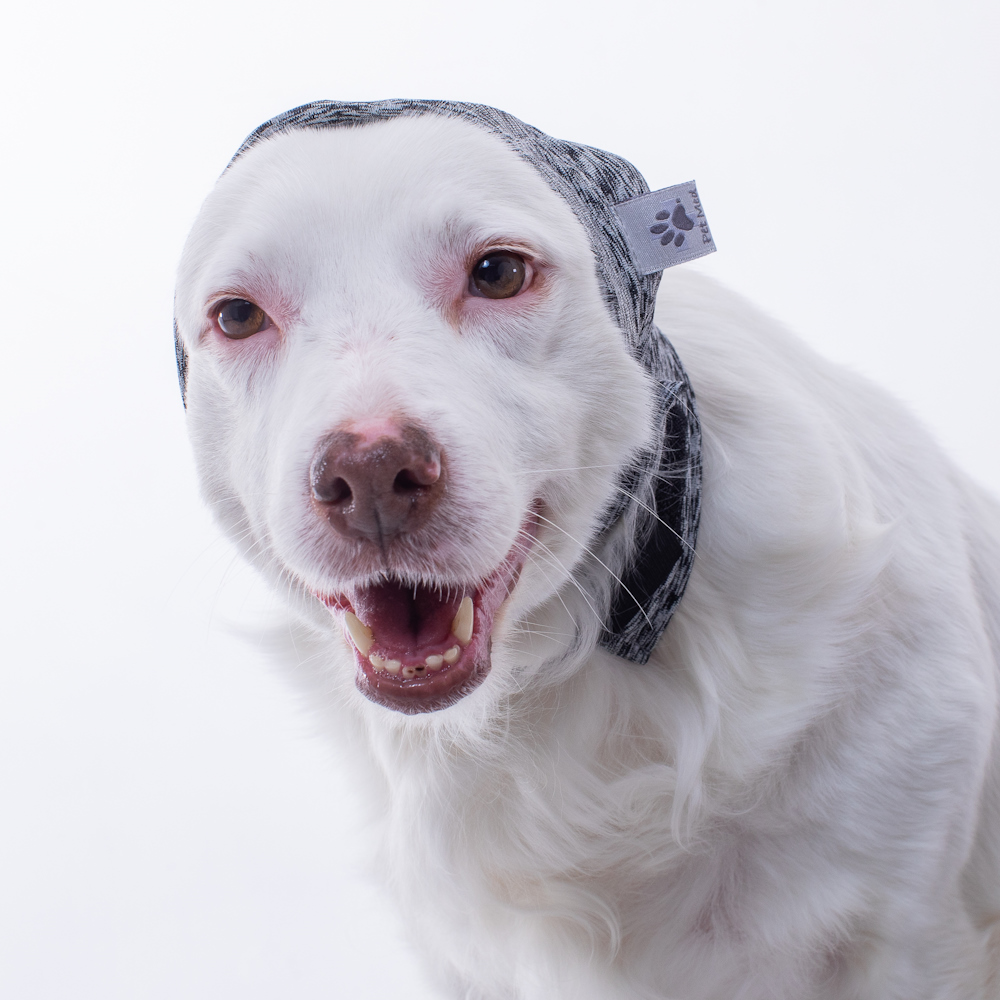
Pet Med - How can Oto Calm Protector protect the ears of pets with allergic otitis or auricular dermatitis, preventing injuries from scratching and helping to improve the effectiveness of treatment?
Fabiana Oliveira - The Oto Calm Protector functions as an anatomical cap that covers and protects the pet's ears, being especially useful in cases of allergic otitis or auricular dermatitis. Its main benefits include preventing injuries caused by intense itching or trauma from head shaking, and reducing friction between the ears and the floor, furniture, or the pet's own nails.
It also helps preserve topical medications, preventing them from being quickly removed by movement or licking. It provides insulation for the ear from environmental irritants such as dust or pollen, and its comfortable and breathable design allows for prolonged use without causing additional stress to the animal.
Pet Med - Finally, can the Calm Pet Vest provide relief for animals with generalized itching?
Fabiana Oliveira - Yes, the Calm Pet Vest is an excellent support accessory for pets with generalized itching, especially in cases of chronic allergies or acute flare-ups. Its benefits include reducing access to body areas, preventing the pet from scratching or licking excessively, which promotes skin recovery.
Light, constant pressure on the torso, with a calming effect similar to a hug, helps control anxiety and provides emotional comfort. Furthermore, it is lightweight and breathable, allowing for extended wear without generating excessive heat or discomfort, and in some cases, can replace the continuous use of collars, offering a more practical and well-accepted alternative. It is especially useful for pets that develop stress-related itching or during prolonged dermatological treatments.
Finally, it's worth highlighting that, in addition to medical management, complementary environmental care and the use of therapeutic accessories make all the difference in the quality of life of allergic pets. Allergy treatment is always multifactorial, involving an individualized diet, parasite control, and hygiene with appropriate products and frequency.
Therefore, integrating tools like the Oto Calm Protector and the Calm Pet Vest into the treatment plan is an effective way to break the itch cycle, reduce medication use, and promote pet well-being.
Regular follow-up with a veterinarian is essential to adjust treatment according to each patient's clinical response.
The itch cycle can be broken, and your pet's health restored! The secret lies in a multifactorial treatment that combines veterinary guidance with effective daily care. To offer maximum protection, relief, and comfort, Pet Med has developed a line of therapeutic accessories. From the Oto Calm Protector , which protects sensitive ears, to the Calm Pet Vest , which calms anxiety with a gentle hug, our products are designed to complement treatment and improve quality of life.
Discover the ideal solution for your pet on our website and follow our journey of care and innovation on Instagram . Together, we can transform the lives of pets with allergies! 🐾❤️