

Put Pauline Machado
Performing pre-operative examinations is essential to ensure the safety and success of any surgical procedure, whether in humans or in dogs and cats.
These tests help to identify possible pre-existing health conditions, assess the function of vital organs, and identify risks that could complicate surgery or recovery during the postoperative period.
To clarify any doubts about this topic, we spoke exclusively with the Veterinarian, Aline Marcello , specializing in Anesthesiology.
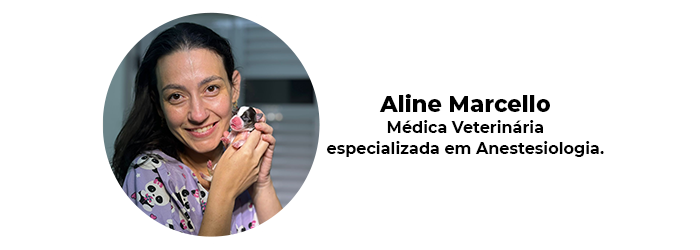
During the interview, Aline emphasizes the importance of performing blood tests, evaluating renal and hepatic function, as well as cardiological exams, as fundamental for adjusting the anesthetic protocol and determining the best surgical approach.
The anesthesiologist also spoke about the patient's age, a very common concern among pet owners.
Don't miss this interview! Watch and share it with your friends and family.
Pet Med – To begin, please explain, in general terms, what are the most common pre-operative examinations in the surgical routine for dogs and cats.
Aline Marcello – The most common tests requested in the pre-operative routine for dogs and cats are: complete blood count, renal profile, hepatic profile, echocardiogram, and electrocardiogram.
It's important to remember that each patient should be evaluated individually, so not all of these tests will necessarily be requested in all cases.
Pet Med – What is the role of each of these tests in performing a surgical procedure?
Aline Marcello – A complete blood count (CBC) can be used to assess whether the patient has any degree of anemia, signs of infection or low immunity, and also whether they have an adequate number of platelets for blood clotting.
A renal profile allows for the evaluation of kidney function, just as a hepatic profile assesses liver function and health. It is important to emphasize that these organs play a crucial role in the metabolism and elimination of drugs from the body.
An electrocardiogram (ECG) assesses the electrical activity of the heart, while an echocardiogram is an imaging test of the heart that allows us to identify anatomical changes in this organ.
Pet Med – How are these exams important for the evaluation of the Veterinary Anesthesiologist?
Aline Marcello – These tests help to plan the best anesthetic strategy for each patient and, except in emergency cases, to prepare the patient before the surgical/anesthetic procedure.
Pet Med – Considering surgical procedures, what should be the validity period of these tests?
Aline Marcello – Blood tests, such as complete blood count, renal profile, and liver profile, are valid for an average of 30 days, provided there are no changes in the patient's clinical condition.
Heart exams, on the other hand, are valid for 6 to 12 months, depending on the results obtained previously.
Pet Med – In what cases might the results of these tests indicate risks to the patient's health and thus preclude the performance of the surgical procedure?
Aline Marcello – Any change should be taken into consideration. In cases of elective surgeries, we must reassess the patient, identify the cause of the change, and treat it whenever possible.
Unfortunately, in emergency cases, treating pre-existing problems may be unfeasible, so through examinations we can choose the safest anesthetic protocol for that patient.
Pet Med – Regarding risks, what other pre-operative precautions should be taken before subjecting a dog or cat to surgical procedures?
Aline Marcello – It is important that the patient undergoes a complete clinical evaluation to assess their specific needs, order the appropriate tests for that patient and for the procedure they will undergo.
Pet Med – In what cases is it possible/acceptable to perform surgical procedures without conducting pre-operative examinations?
Aline Marcello – In emergency situations where there is an imminent risk of death.
Pet Med – Some people still associate the advanced age of a dog or cat with anesthesia risks. Is this concern actually a risk factor?
Aline Marcello – The patient's age is not a limiting factor for administering anesthesia. Like all patients, elderly animals should be evaluated. The notion that elderly animals cannot be anesthetized stems from a higher likelihood of pre-existing conditions; however, in these cases, we must always treat and stabilize any injury to the pet's health, regardless of age.
Pet Med – What are the actual risks associated with an anesthetic and surgical procedure?
Aline Marcello – Undiagnosed or decompensated pathologies may represent a greater surgical and/or anesthetic risk.
Pet Med – And what about the post-operative period? What are the main risks and precautions that family members should take at home during this time?
Aline Marcello – These care instructions vary depending on the surgical procedure performed. In general, we should always follow the instructions of the responsible veterinarian, especially regarding the administration of medications, rest, and the use of post-surgical clothing and/or protectors.
Pet Med – In this respect, what is the importance of post-operative clothing, not only post-castration garments, but also limb protectors, otological devices and similar items, such as those made by Pet Med?
Aline Marcello – Surgical wounds should always be kept clean, and Pet Med's post-surgical line of products is always a great ally for post-operative success, as they protect the operated area, significantly reducing the risk of contamination and surgical complications.
Pet Med – To conclude, what are your final thoughts to add to the interview?
Aline Marcello – Veterinary anesthesia has evolved significantly in recent years. Through it, it is possible to alleviate pain and perform essential procedures for the recovery of animals' health, as well as elective procedures aimed at preventing many diseases. Although risks exist, when anesthesia is administered by a qualified professional with the support of appropriate equipment, these risks become minimal.


