

By Pauline Machado
National Allergy Prevention Day (May 7th) is an important date to raise awareness about the health of pets, especially regarding allergic reactions that can affect dogs and cats.
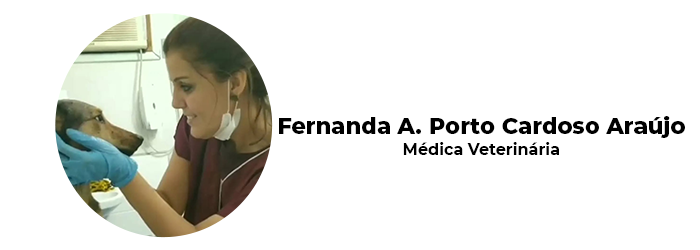
Allergies in pets have become increasingly common, and many pet owners are unaware of how these problems can manifest. Therefore, we spoke exclusively with a veterinarian... Fernanda Almeida Porto Cardoso Araújo , who works as a general practitioner and specializes in dermatology for dogs and cats.
She emphasizes that these reactions can be triggered by various factors, including food, pollen, dust mites, and cleaning products, resulting in significant discomfort for the animals. Therefore, it is crucial that pet owners pay attention to allergy signs and seek veterinary advice as soon as possible to ensure a healthy and happy life for their companions.
Watch the interview and share it with friends and family!
Pet Med – What characterizes an allergy in pets and why is it considered a chronic condition that requires constant attention?
Fernanda Araújo – Allergies are a dysregulated response of the immune system to allergens, which can include dust mites, pollen, grass, food, and parasites.
Pet Med – What are the most common types of allergies in dogs and cats, and how can each one manifest itself?
Fernanda Araújo – The most common types of allergies in dogs and cats are atopic dermatitis, which is closely related to environmental allergens; allergies to ectoparasites such as fleas, ticks, mites, and mosquitoes; or adverse reactions to food, generally proteins.
Pet Med – Besides intense itching, what other signs should pet owners watch for that may indicate an allergic reaction?
Fernanda Araújo – Without a doubt, intense itching is the most frequent clinical sign, but it is also common for animals to present with ear infections, paw licking, hair loss, head shaking, and even vomiting and diarrhea.
Pet Med – Is allergy just a skin problem or can it affect other systems in the animal's body?
Fernanda Araújo – No, allergies are not just a skin problem. Allergies can affect other systems, such as the gastrointestinal system, causing vomiting and diarrhea; the ophthalmic system, causing blepharitis and corneal ulcers; and in the ears, otitis, potentially leading to neurological changes when otitis worsens.
Pet Med – How do allergies impact the emotional well-being and behavior of animals, and the quality of life for everyone in the family, including the pet?
Fernanda Araújo – When allergies are not controlled, symptoms intensify and cause discomfort for both the animal and the family. The animal will constantly scratch, even at night, and may become irritable and agitated. It may experience pain and even become aggressive. The odor from the skin and ears intensifies and causes discomfort, especially in animals that sleep in beds or stay on sofas at home, and therefore, some owners choose to keep the animal more isolated, especially when they have visitors.
Pet Med – Which pet breeds or profiles are most predisposed to developing allergic diseases? Is there a genetic influence?
Fernanda Araújo – Some breeds with a predisposition to allergies are Shih Tzu, Bull Terriers, Yorkshire Terriers, Lhasa Apsos, Golden Retrievers, Dachshunds, and Beagles.
Pet Med – How can the home environment contribute to the onset or worsening of allergies?
Fernanda Araújo – The home environment is indeed a relevant factor and deserves considerable attention. Household dust containing mites is one of the main triggers of outbreaks. We can also include dust from construction sites.
Pet Med – What are the most common mistakes families make when trying to manage allergies without a veterinary diagnosis?
Fernanda Araújo – Based on my routine, I can say that among the most common mistakes in daily life are Repeating prescriptions without veterinary guidance, buying medications on your own, searching for miracle cures online, and believing that cleaning products are the biggest cause of allergies—these misconceptions can worsen the allergic condition or even put your pet's life at risk. Therefore, it is extremely important that your pet be examined by a veterinarian specializing in dermatology to guide the entire treatment process.
Pet Med – Why is it so important to investigate the cause of an allergy instead of just treating the clinical signs?
Fernanda Araújo – If the cause of the allergy is not identified, recurring episodes will occur frequently, and over time the allergy intensifies and the condition worsens, for example, recurrent ear infections, which can lead to hearing loss and/or neurological symptoms in the animal. It is essential to investigate the allergy and always identify the underlying cause so that crises can be avoided. We don't treat symptoms, we treat the disease.
Pet Med – What modern and effective resources are available today for treating allergies in dogs and cats?
Fernanda Araújo – The first step is to identify which allergy the pet has and from there, according to each case, devise the best strategy. There is no one-size-fits-all solution. But nowadays we have excellent treatment options ranging from shampoos to allergen-specific immunotherapy, such as allergen vaccines. We are constantly advancing; today we already have oral and injectable medications on the market, as well as excellent hydrolyzed pet foods.
Pet Med – What simple measures can family members take to prevent or reduce the risk of allergic reactions?
Fernanda Araújo – There's nothing that can prevent a dog or cat from having an allergic predisposition, but it is possible to create habits that can prevent flare-ups, such as allergic dermatitis to parasite bites. In these cases, flare-ups can be avoided by using ectoparasite preventatives regularly. Environmental cleanliness is also very important.
Pet Med – Finally, what message would you like to leave to raise awareness among families about the real impact of allergies on pets' lives?
Fernanda Araújo – It's important to understand that Dermatitis has no cure, it requires treatment and can be controlled, which is why follow-up with a professional specializing in veterinary dermatology is essential. Therefore, if you notice any of these signs we've mentioned, schedule an appointment with your trusted veterinarian as soon as possible. Remember that your pet's health and well-being are very important, and caring for them is also your responsibility, so don't wait until your animal's quality of life suffers before seeking help from a dermatology specialist.


